
Prevention of Foodborne Illnesses
Inadequate hygiene control leads to food poisoning. HACCP procedures and elimination of cross-contamination risks ensure a safe food workflow.
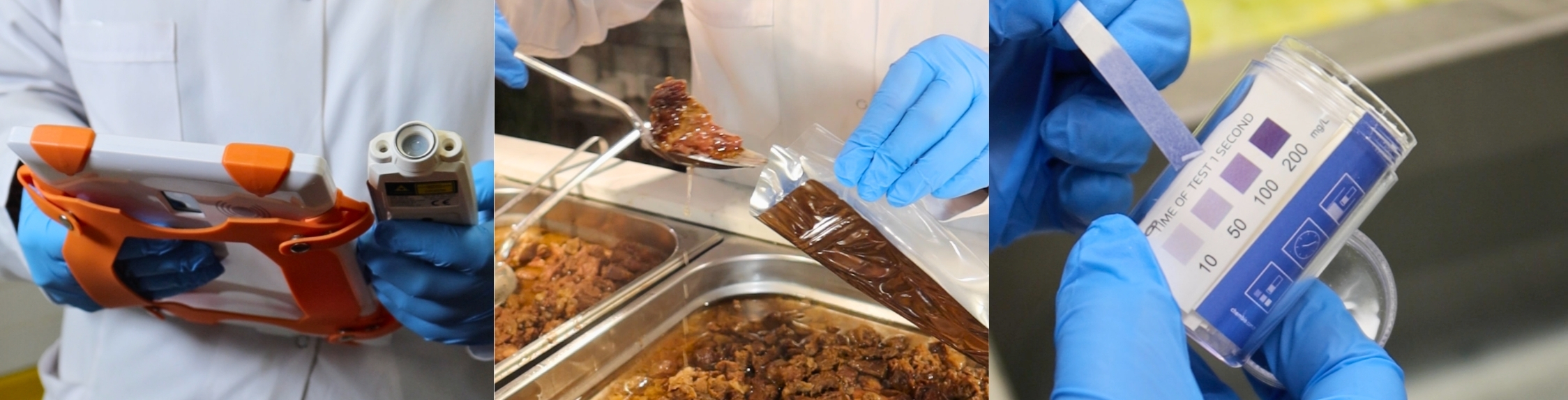
Every meal served at your workplace directly affects employee health, daily energy, and corporate productivity. At Q Catering, we manage quality and food safety as a measurable, auditable system.
Why Quality and Food Safety Make a Difference
Inadequate hygiene control leads to food poisoning. HACCP procedures and elimination of cross-contamination risks ensure a safe food workflow.
Meals balanced with protein, carbohydrates, and vegetables increase mental sharpness, while oily and low-quality food causes lethargy.
Employees see meal quality as a reflection of how much the company values them, which boosts morale and satisfaction.
Quality raw materials and balanced menu planning minimize chronic risks such as cardiovascular disease and metabolic syndrome caused by high sodium and trans fats.
Standards Management
ISO 9001:2015
Ensures all business processes are systematically planned, implemented, and continuously improved. It forms the foundation of our customer-focused approach.
Main areas:
ISO 22000:2018
Guarantees safe food delivery by managing hazard analysis and critical control points (CCP) at every stage of the food chain, from raw materials to service.
Main areas:
Process Management from Production to Service
Approved supplier acceptance criteria
Temperature, packaging, date and related checks
Chilled products +4°C / Frozen -18°C
+4°C refrigerator environment with mandatory logging
Core +75°C for min. 15 minutes
Chlorine solution with 5-10 min contact time
+65°C to +4°C within max. 3 hours
Hot and cold chain monitoring
Hot +65°C / Cold max. +10°C
Stainless steel gastronorm containers suitable for food contact minimize bacterial harbouring risk with their smooth surface structure and prevent cross-contamination through easy cleaning.
Our Thermboxes, equipped with industrial heat insulation technology, ensure meals reach the service point at ideal temperature from production; they provide effective protection for both hot and cold products.
Daily Controls and Hygiene Practices
Instant temperature measurements are taken at critical stages of the hot and cold production process.
All kitchen staff work under mandatory use of masks, disposable gloves, and arm covers. Cross-contamination via hair and respiratory routes is reduced to zero. Personnel hygiene training is renewed at least twice a year and training records are archived.
Surface swab tests, water quality analyses, and food samples are sent to accredited laboratories at set intervals. Tests such as total bacteria, E.coli, Salmonella, and Staphylococcus are conducted within the framework of microbiological criteria regulations.
Surface cleaning, equipment sterilization, and storage conditions are audited daily with control forms. The cleaning and disinfection plan (CDP) is documented within the scope of ISO 22000. Pest control contract is active and periodic visit reports are kept on file.
Turkish Food Codex Compliance
By fully complying with regulations under the Turkish Food Codex, we share complete nutritional value tables and allergen content information for all products. Our information processes are continuously updated in line with current legal regulations.
Calories, protein, carbohydrate, and fat contents are calculated on a menu basis. Dietitian-approved tables are revised with every menu update.
Gluten, crustaceans, eggs, fish, peanuts, soy, milk, tree nuts, celery, mustard, sesame, SO₂, lupin, and molluscs — all 14 mandatory allergen groups are fully labelled.
Turkish Food Codex
All our information processes are carried out in accordance with regulatory requirements.
Cafeteria Management
We do more than produce meals; we organize the entire service environment with a professional management system. Smooth service lines, aesthetic presentation, and cafeteria area management at hygiene standards is a holistic service undertaken by our team.
Service line design suited to serial production and consumption during peak hours, staff positioning, and waiting time optimization are carefully planned. Service speed and customer experience are measured regularly.
Every meal is prepared with an aesthetic and appetizing presentation approach. Portion standardization, color balance, and service temperature are among the evaluation criteria for presentation.
The cafeteria area is continuously monitored and maintained at standard level, with hygiene, comfort, and efficiency in mind.
Our Expert Team
They take an active role in creating balanced and healthy menus, calculating nutritional values, and meeting special dietary requirements.
They audit compliance of all processes with quality and food safety standards; update HACCP plans, manage CCP monitoring records, and carry out continuous improvement projects. They coordinate the internal audit program and initiate corrective actions by evaluating laboratory analysis results.
With our certified systems, expert team, and end-to-end management approach, we continue to deliver healthy, delicious, and safe meal service consistently every day.
Professional staff consisting of dietitians and food engineers
Food safety audit at every step from raw materials to service
Daily recording and verification within the HACCP plan
Monthly periodic internal audit, lab analysis, and CAPA system